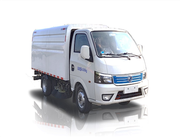

What should be done in case of an emergency while driving a hazardous transportation vehicle?
Sep 16, 2023
Hazardous chemical transportation is a kind of special transportation, precisely because hazardous chemicals are flammable, explosive and strongly corrosive, so it is necessary to pay attention to safety at all times.

Hazardous chemical transportation vehicles need to check whether the emergency cut-off device is well installed and in a closed state before driving.
Dangerous goods transportation vehicles In the process of driving, you need to pay attention to choose a reasonable driving route, away from towns and residential areas, and do not enter the prohibited areas for dangerous goods transportation vehicles. Every 2 hours or so of driving should stop to rest, and check the technical condition of the vehicle in time to ensure that the emergency shut-off valve is closed.
1. Stop quickly and observe the situation.
Inspect the vehicle, tank, and the surrounding area. If there is a hazardous material leak, promptly drive the vehicle away from water sources, urban areas, villages, and crowded places, or park it in an open and low-lying area. Close the emergency brake valve, take emergency sealing measures, and use containers or absorbent sponges to collect the leaked substance.
2. Call emergency services immediately and establish a caution zone.
Isolate the accident scene and evacuate or move people to a safe area. Choose a safe evacuation route, preferably on the upwind side, and place safety warning signs around the scene to alert pedestrians and vehicles to avoid the area.

3. Take emergency measures.
Take appropriate emergency measures based on the nature of the hazardous materials being transported, their hazardous characteristics, and the specific characteristics of the packaging containers.
5. Truck on fire
In the early stages of a fire, you can quickly use a fire extinguisher to extinguish it or use sand from the roadside to smother the flames. If the fire becomes uncontrollable, abandon personal firefighting efforts and focus on emergency evacuation, retreat, and escape measures. Once the fire rescue team arrives, cooperate with them and follow their instructions for rescue operations.
6. Key points to note:
- When on a highway, transportation personnel should prioritize their own safety and stay in safe areas.
- On elevated bridges, guide individuals to evacuate and escape along the bridge surface.
- In tunnels or during nighttime, place emergency warning lights to alert passing vehicles to stay way.
- In crowded areas, warn onlookers to keep a safe distance, and strictly prohibit smoking or open flames in the vicinity.
- In the event of a sudden natural disaster, the driver should immediately park the hazardous materials vehicle in a safe zone and take emergency measures for shelter and protection.