


Auxiliary braking is not omnipotent, do not use it in the following situations
Sep 02, 2022
In recent years, the popularity of auxiliary braking devices has been widely used in heavy truck products, and more and more people have begun to understand and agree with the assistance of auxiliary braking devices for safe driving. However, the auxiliary brake is not omnipotent, and even in some occasions, the auxiliary brake should be disabled or used with caution.
● What are the auxiliary braking devices?
Generally speaking, ABS, ESP, EBD, ABS+EBD and other systems are not strictly auxiliary braking devices. These functions act on the assistance systems for active braking, which we call electronic assistance systems (driver assistance systems).

So what is an auxiliary braking device? Simply put, different from our traditional braking means (brake), auxiliary braking is a device that assists the car to decelerate. At present, our common auxiliary brake devices mainly include exhaust brake, engine brake and retarder brake.
● Auxiliary braking is not a panacea, use it with caution or disable it in icy and snowy road conditions
Exhaust brake: Under normal circumstances, the exhaust brake butterfly valve is installed on the exhaust manifold of the engine. By closing the exhaust passage of the engine, the engine piston is subjected to the reverse pressure of the gas during the exhaust stroke and slows down. The operating speed of the engine produces a braking effect, so as to achieve the purpose of controlling the speed of the vehicle.
If you are driving on a snowy road, if there is no trailer behind the vehicle you are driving, you can use the exhaust braking method appropriately according to the state of the vehicle, but if it is with a trailer, it is very easy to cause the trailer to hit the front of the car. On icy and snowy roads, vehicles with trailers must avoid using exhaust brakes.
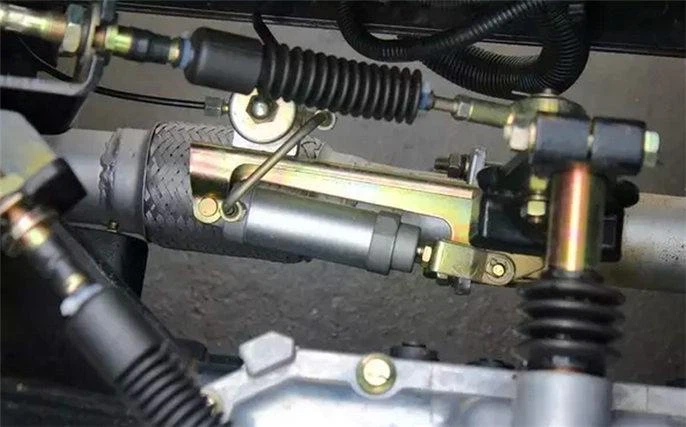
Engine braking: Release the accelerator pedal, and use the compression resistance generated by the compression stroke of the engine, the internal friction force and the resistance of intake and exhaust to form a braking effect on the driving wheels.
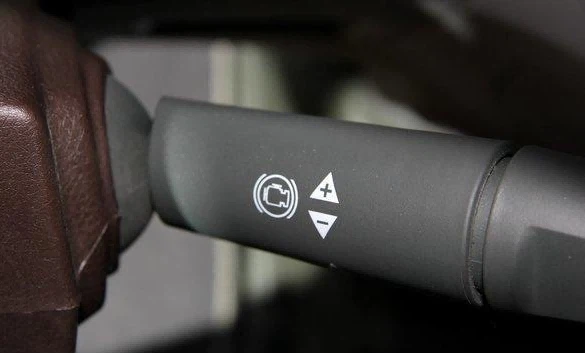
The engine braking torque is higher than the ordinary exhaust brake, so it must be used with caution on wet and slippery roads. If it is an icy road, engine braking must also be prohibited. Otherwise, the vehicle will easily slip and roll over.
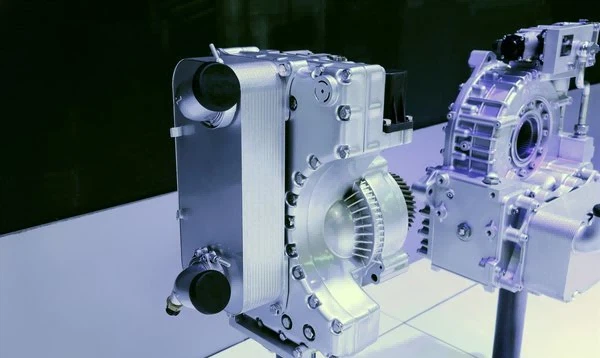
In simple terms, the hydraulic retarder is to achieve wear-free continuous braking through the torque generated by the interaction of the oil medium or the water medium between the stator and the rotor of the hydraulic retarder, thereby reducing the speed of the vehicle.
Because the braking torque of the hydraulic retarder is higher than that of the in-cylinder braking and the exhaust braking. In extremely bad weather, it is impossible to suddenly enter the full-open state, and sudden excessive deceleration can easily lead to dangers such as vehicle rollover. Although the vehicle will be linked to the ABS or AEB system at present, and the vehicle slippage is detected, the on-board computer will release the hydraulic retarder working order, but in case, the hydraulic retarder should be used with caution on slippery roads. The use of retarder devices is also prohibited on icy and snowy roads.


