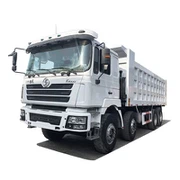

What to do if the water tank fire truck leaks
Sep 22, 2025
1. Check that the radiator cap is securely fastened.
2. Test filling the radiator with air to determine where the water is leaking under pressure, and then decide on a repair plan.
3. Open the engine oil filler cap and check for signs of oil emulsification (punching or corrosion). If so, disassemble the engine and replace the head gasket.
4. There may be a problem with the radiator quality.
If the radiator hose ruptures and leaks due to vehicle vibration or an accident while driving, take appropriate measures based on the specific situation:
If the leak is no larger than a 1mm crack or a 2mm hole, add a bottle of strong radiator sealant to the radiator and start the vehicle.
5-10 minutes after turning on the cooling water and allowing it to circulate, any leaks (or antifreeze) in the cooling system, whether in the radiator, rubber hose, or gaskets, will stop. Once the leak is stopped, there's no need to drain the antifreeze, as it won't affect heat dissipation or cause a blockage.
If you don't have leak-stopping agent, for minor leaks in individual radiator hoses, temporarily place loose tobacco in the radiator hose. The circulating water pressure will clog the leak and stop the leak.
For more severe leaks in radiator hoses, cut the hose at the leaking point, plug the cut hose with a cotton ball coated in soap, and then use pliers to flatten the end of the cut hose and crimp it tightly to stop the leak. If the rubber hose joint leaks, you can use a screwdriver to wrap the rubber hose joint clamp on the rubber hose joint, and then tighten it with pliers. If the rubber hose is damaged, you can use tape to wrap the rupture tightly and use it temporarily.