
Rainy day driving guide
Jan 24, 2024
For drivers, rain can significantly impact visibility, especially when driving on the highway. If you suddenly encounter a heavy rainstorm, and the wipers are not working, what should you do?
Whether it's light rain or extreme weather like a heavy downpour, the first thing to do is stay calm. Keep both hands on the steering wheel, and calmly respond to any possible situations that may arise.
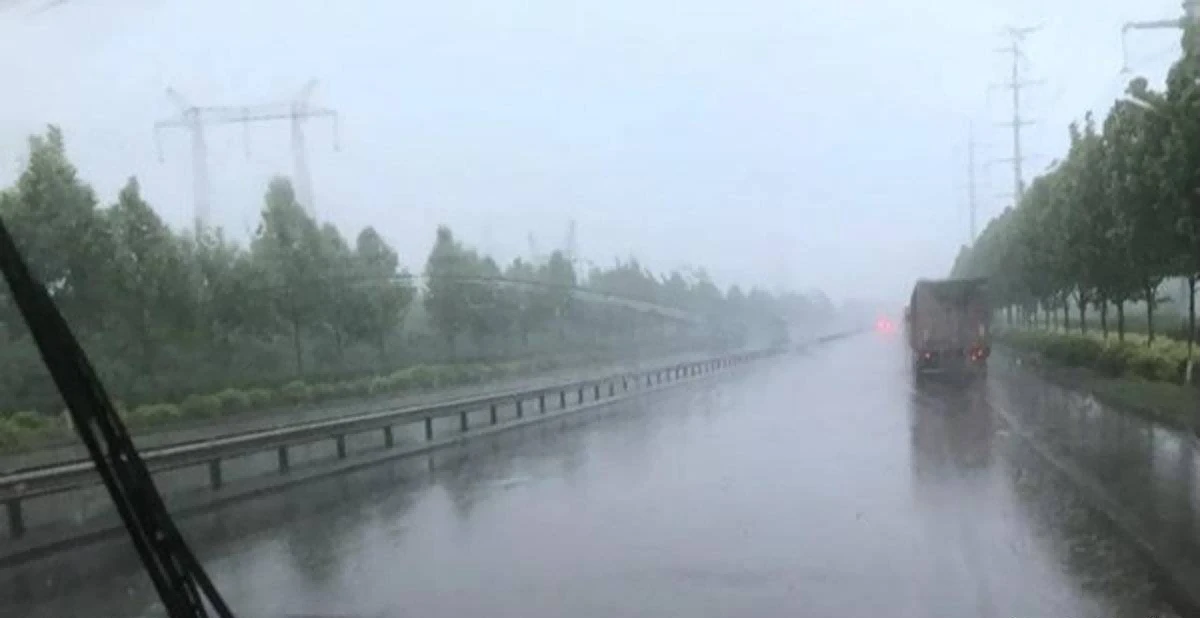
At this time, we should gently release the accelerator, appropriately reduce speed, and grip the steering wheel firmly to prevent the vehicle from skidding due to slippery road conditions. Also, activate the hazard lights to alert the vehicles behind to slow down and maintain a safe distance. Subsequently, when safety is confirmed, moderately turn on the low beam or fog lights.
Some people might ask, can't I just brake to slow down in this situation? It is not recommended because if you suddenly brake, it may lead to delayed reactions from the vehicles behind, resulting in a rear-end collision. Moreover, in sudden heavy rain, the formed curtain of rain can cause visibility to rapidly decrease. If you see a service area at this time, it is advisable to enter and park, waiting until conditions improve before resuming the journey.
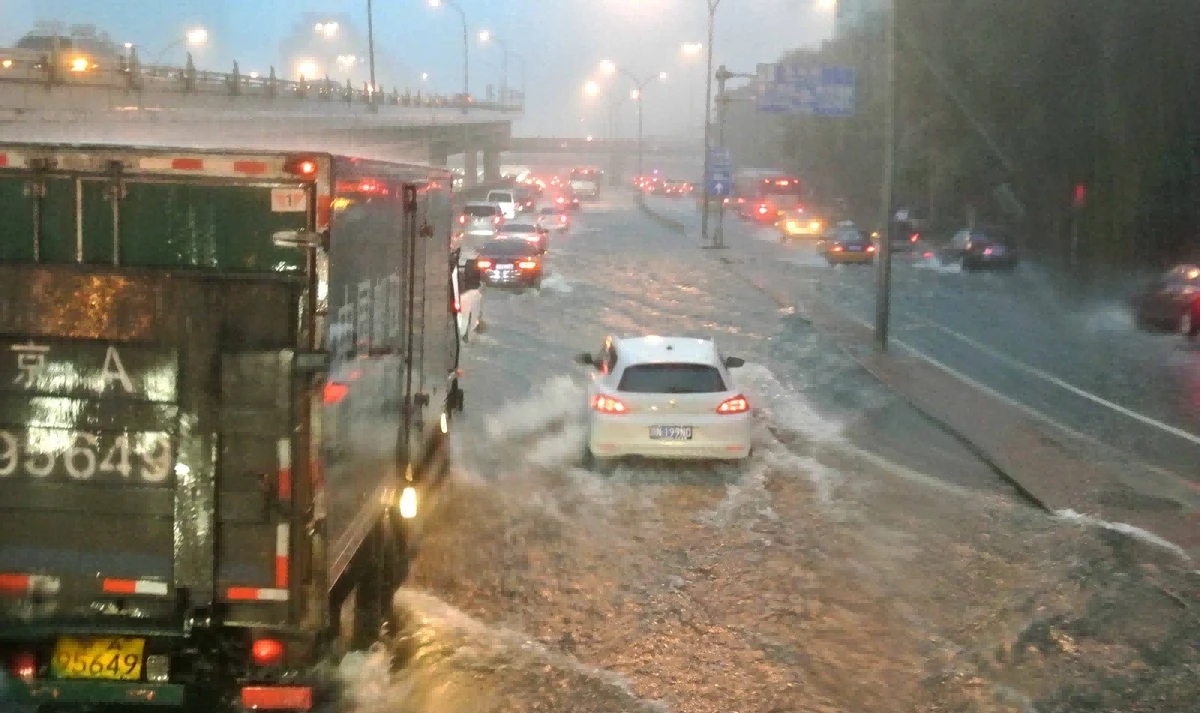
On rainy days, the air humidity is high, and the temperature is lower compared to sunny days, making it prone to significant temperature differences inside and outside the car, leading to glass fogging. In such situations, it is recommended for drivers to turn on the air conditioning, activate the external circulation, and maintain consistent internal and external temperatures. Initially, using a high fan speed can quickly eliminate fog on the glass.
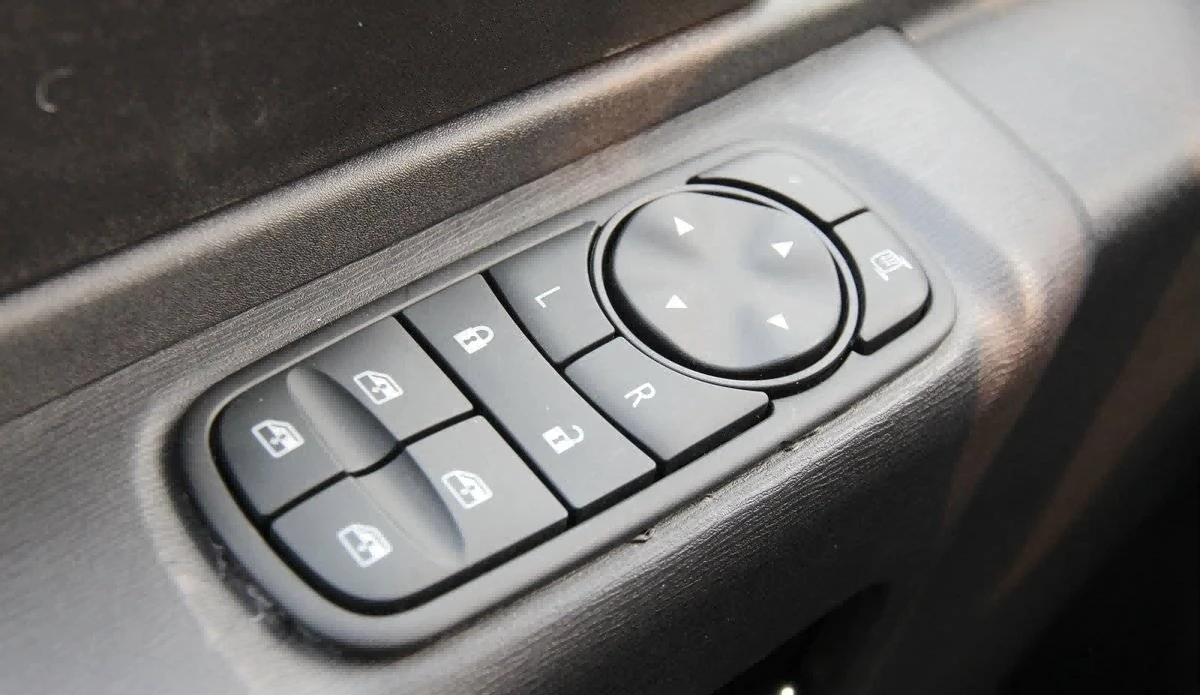
In addition, many vehicles now come equipped with electrically heated side mirrors. When driving in the rain, it is advisable to use this function. It can effectively prevent rainwater from condensing on the mirror surface, ensuring clear visibility and improving the external view of the vehicle.
Whether it's clear weather or rainy conditions, maintaining a safe following distance is always a well-discussed topic. With the increasing number of vehicles on the road, accidents such as rear-end collisions and scrapes can easily occur. In rainy weather, the road surface becomes slippery, leading to a significant increase in braking distance. Therefore, in light rain, it's essential to maintain a following distance of at least 100 meters, and in heavy rain, the distance should be extended to at least 200 meters.
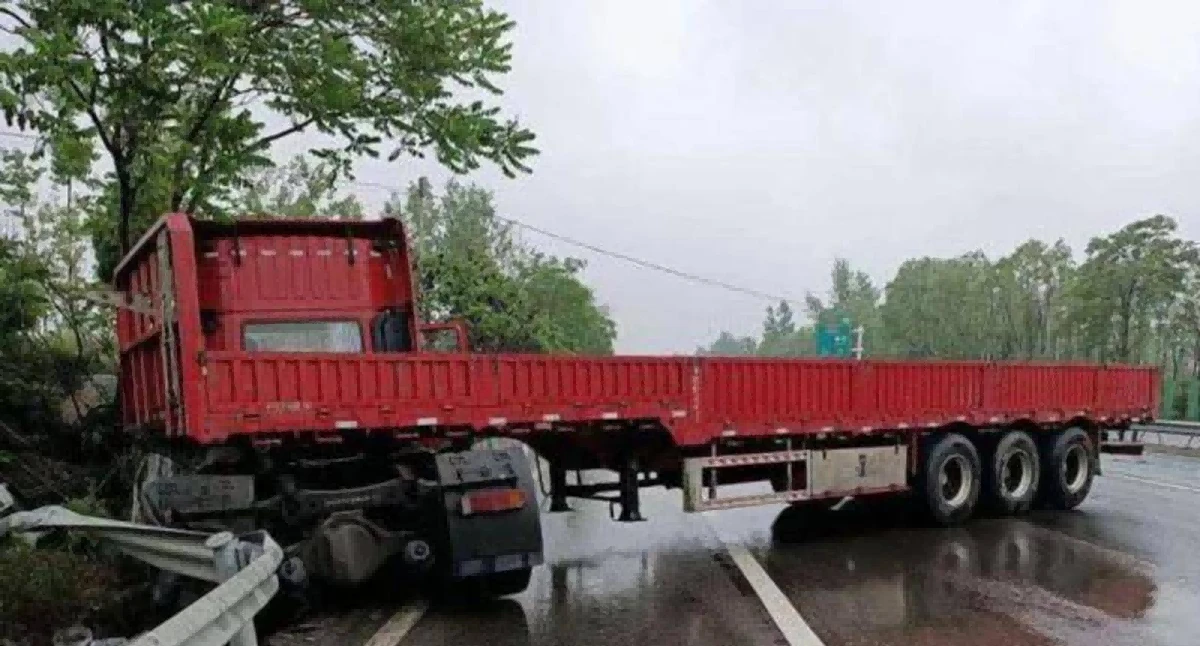
Also, due to the slippery road surface, avoid slamming on the brakes and making sudden steering movements to prevent the risk of accidents like rollovers. Predictive driving habits are crucial in rainy conditions. While maintaining a safe following distance, gently apply the brakes and avoid impatience.
The above are some precautions for driving in the rain. In summary, it is crucial to maintain a slow speed, keep a safe following distance, and avoid reckless lane changes, rapid acceleration, and sudden braking.