
What's the difference between parallel wipers and butterfly wipers?
Jul 20, 2023
Butterfly wipers are literally like butterfly wings, with the upper and lower wipers facing each other. Compared with the traditional parallel wipers, the butterfly wipers have a larger wiping area, which is suitable for large front windshield models, and the wipers are beautifully shaped.
So what are the advantages and disadvantages of parallel and butterfly respectively? What is the difference between boneless and bone-in wipers and how to replace them?
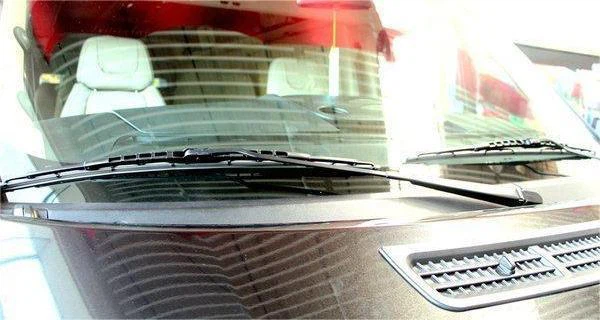
Advantages of parallel wipers:
1. The manufacturing cost is relatively low because it can be adapted to most vehicle models and priced at a reasonable level that can be accepted by the majority of people.
2. It can use a smaller driving motor, which is more fuel-efficient and energy-saving, making it more economical.
Disadvantages of parallel wipers:
1. Relatively little glass coverage on the driver's right hand side.
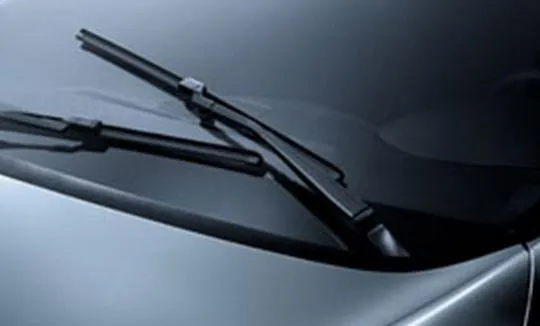
Advantages of butterfly wipers:
1. relatively balanced coverage of the entire front windshield.
Disadvantages of butterfly wipers:
1. The upper center position of the windshield cannot be covered, and water flow will run down the cleaned area of the glass.
2. The price positioning is relatively high.
3. Most vehicle models use a linkage rod to drive the wipers, while a few use two motors to drive them. Two motor drive is more fuel-consuming and energy-consuming, making it difficult to ensure both economy and affordability.
Regardless of whether it is a parallel wiper or a butterfly wiper, the ultimate goal is to enable the driver to see the road conditions clearly. Each has its own advantages, with butterfly wipers having a larger wiping area and parallel wipers being more effective in heavy rain. Moreover, water will not flow down from the center of the windshield after parking, preventing water stains from forming after the water dries. However, overall, parallel wipers have more advantages and are used in more vehicle models.
As far as I know, there are currently up to five types of interfaces for wipers, including U-shaped hooks, direct insertion, swallowtail-shaped, snap-on, and side insertion. Wipers with different interfaces have different appearance styles and installation methods. As for why they are not standardized like phone chargers, I am not sure.
From a structural point of view, wipers are currently divided into two types: framed and frameless. Although most light commercial vehicles are currently equipped with framed wipers from the factory, each type has its own advantages.
Frameless wipers distribute force evenly along the entire blade, resulting in a cleaner wipe, less jitter, and lower noise levels. However, the fact that framed wipers still exist indicates that they have advantages that frameless wipers cannot match.
Framed wipers are actually more economical and practical. If they are from the original factory, they are more reliable than frameless wipers. In addition, framed wipers have a bridge structure that distributes pressure more evenly, while frameless wipers rely on internal spring strips, which results in less even pressure.
Whether your car's wipers are parallel or butterfly, it is important to use the spray and wipe function when cleaning dirt off the windshield to avoid prematurely wearing out the wiper blades. If there is dirt that is difficult to clean on the windshield, it is recommended to use a wet tissue paper to wipe it off to avoid causing damage.
It is also important to check the wipers at least every six months and replace them if they are not wiping the windshield clean or making unusual noises during use. This will help prevent accidents caused by reduced visibility.