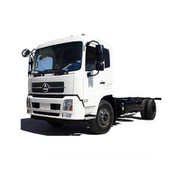

Truck maintenance: check oil, etc
Jun 18, 2003
Maintenance can be incredibly hard to keep track of. There are so many parts to replace, fluids to change, and boxes to check. That’s why I want to create an extensive list of all the little things you may forget to check, like oils, tires, and fluids. This won’t be an article on how to perform maintenance, like changing your oil. But it will give you a clue as to what you need to check and have replaced.
How to check your engine oil
Oil changed might be the most important aspect of car maintenance. But in order to know when it needs to be changed, you first need to know how to check it and what to look for.
Make sure your vehicle is parked on level ground before your check any fluid, especially oil. From there, open up the engine cover and look for an orange or black tab on the engine block itself. That’s your dipstick, and at the very bottom, there are two marks: a minimum, and a maximum. Wipe off all the excess oil, slide the dipstick all the way back in, and pull it out again.
That’s your oil level, which you want to be between the two dots. If it’s above, your engine is overfilled and can spring leaks. If it’s below, there could be serious damage to the engine components due to a lack of lubrication.
If you notice your engine is burning oil, just be sure to check it more often. A good rule of thumb is to check it every 1,000 miles, or even every time you stop for gas. One other thing to mention: engine oil is supposed to be the same color as olive oil, a yellow-ish gold, not dark black. That’s a common misconception, and if your oil is looking really dark when you check it (close to black), it may be time to change it.
How to check your transmission fluid
Transmission Fluid Plug
First of all, checking your transmission fluid is different on every vehicle. Regardless, you may find a yellow or black ring buried in your engine bay.
Whether you’re checking the fluid hot or cold, the process is very similar to checking your engine oil, just with a different tab. Pull out the dipstick, wipe it down, reinsert it, and check again. Unlike engine oil, your fluid level should never move. If it is, head to a mechanic, as you have a transmission fluid leak somewhere.
How to check your brake fluid, wiper fluid, and coolant
To properly check your coolant, you need to get under the vehicle and take out another small sample. Look online and find out where your coolant drain plug is located, crack it open so some fluid can drain, and close it to prevent any more from leaking out. Depending on the coolant the vehicle uses, it’s supposed to either be bright red, blue, green, or orange. If it looks rusty, or has metal flakes floating around inside, then it’s time for a coolant flush.
However, both of these jobs are somewhat complicated and, if not performed correctly, could damage the vehicle. Having a local mechanic check and possibly replace these fluids will be safer, especially if you are new to this.