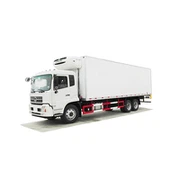

How to operate the heavy oil tanker safely and correctly
Jan 03, 2014
1. Tank trucks should be equipped with special fire extinguishers, and tow train chains and electric poles should be installed. When driving, the towline chain should touch the ground; when refueling or draining, the electric pole must be inserted into the damp ground.
2. The oil tank filling hole should be tightly sealed, the oil drain valve and drain pipe should be free of leakage, the oil tank vent hole should be unblocked, the oil pump inlet filter should be cleaned frequently, and the two ends of the joint cover should be installed immediately after the oil delivery hose is used up. No dirt should enter.
3. The vaporizer and exhaust pipe of the internal combustion engine must not have flashback. The exhaust pipe should be installed in front of the vehicle.
4. Workers on tank trucks are not allowed to wear shoes with nails. Smoking is strictly prohibited near oil tanks, and fire is strictly prohibited.
5. When parking, keep it away from fire sources, and choose a shaded place to park in hot seasons. During thunderstorms, do not park under big trees or high-voltage lines. When parked in the middle of driving, a special person should take care of it.
6. During the maintenance process, if the operator needs to enter the oil tank, it is strictly forbidden to carry fire, and must have reliable safety protection measures, and special personnel must be supervised outside the tank.
7. All electrical devices on the car must be well insulated, and sparks are strictly prohibited. Car working lighting should be safety lights below 36V.
8. When the oil tank sedimentation tank is frozen, it is strictly forbidden to use fire. You can melt it with hot water or steam, or drive the car into the warm room to thaw.
9. When performing maintenance and overhaul under the vehicle, the internal combustion engine should be turned off, the hand brake should be tightened, and the wheels should be tightened.
10. When a vehicle needs to be tested after being repaired, it should be driven by a qualified person. No persons or objects are allowed on the vehicle. When the vehicle needs to be tested on the road, the test license issued by the traffic management department should be displayed.
11. When parking on a ramp, reverse gear should be used for downhill parking, first gear should be used for uphill parking, and a triangular wooden wedge should be used to plug the tires.