


Four methods of vehicle inspection – touch, smell, visual inspection, and listening
Jan 28, 2026
Touch: Perceiving through touch
By feeling the temperature with your hand, you can diagnose some vehicle malfunctions. After driving the vehicle for a while, if you hold your hand 2 centimeters away from the axle end and do not feel a burning sensation, the bearing is working properly. If the burning sensation is strong, wheel maintenance is required.
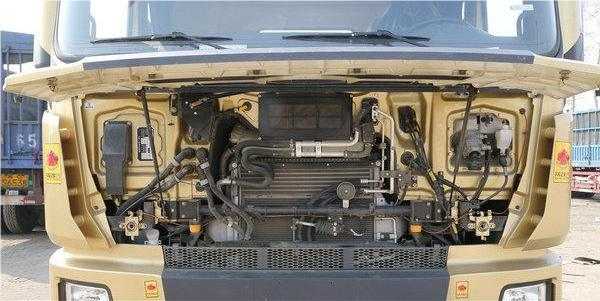
You can also determine if the heater or air conditioner is working properly by feeling the temperature with your hand. Truck drivers with the means can purchase a temperature gun to measure the operating temperature of various parts to determine if they are functioning correctly. Friendly reminder: Never touch high-temperature parts such as the exhaust pipe, water tank, or turbocharger with your hands.
Smell: Smell through the nose

If an engine is burning oil, it will usually have a pungent smell. If you suddenly smell an unusual odor inside the truck, you should stop and check it immediately. If it smells like diesel fuel, you should check the fuel system; if it smells like exhaust fumes, you should check the exhaust system.

Overloaded or short-circuited electrical circuits will emit a pungent rubber smell. You can pinpoint the fault by tracing the direction from which the odor originates. Abnormal wear on the clutch and brake pads will also produce a pungent odor. You can also diagnose vehicle problems by smelling the odor, but never inhale excessively strong smells for extended periods to avoid inhaling toxic fumes.
Visual inspection: careful examination is crucial

Visually inspecting the vehicle is the most direct and effective method. We recommend using the "walk-around method" to check the vehicle. Start by walking around the front of the vehicle, checking for any foreign objects stuck in the tires, and looking for loose screws on the frame components. Check for cracks at the joints and ensure the cargo on the trailer is securely fastened. When the vehicle is parked, you can raise the cab to check the engine oil and antifreeze levels; top them up if necessary.

Place a clean piece of cardboard under the vehicle, crawl under the truck and trailer, and check for loose screws, abnormal parts, or pipes in areas that are usually difficult to see. These are often hidden places that we tend to overlook during routine vehicle inspections, so don't be afraid of getting dirty; take the time to crawl under the vehicle and check.
Listen: Judging by unusual noises

An experienced driver can determine whether a vehicle is functioning properly and where there is a problem simply by listening to the sounds it makes. This isn't boasting; it's based on fact. When a vehicle is operating normally, its components run smoothly, and the sounds are relatively consistent. For example, with the engine: you can only hear the valves, fuel pump, and air pump; while driving, you can also hear the turbocharger. Once the engine malfunctions, the sound will be very distinctive. Therefore, experienced drivers can judge the vehicle's operating status by listening to these sounds.
 6x4 Euro III 8.3L Engine 25 Tons Refrigerator Truck
 8x8 Euro III 8.9L Engine 40 Tons Rigid Off-road Truc...
 8 Tons Truck Mounted Telescope Crane - TC200
 4x2 Truck Mounted 4 tons 4-section Boom Telescoping ...
 Renault 350hp 8x4 30 Tons Dongfeng Truck With Travel...
 Renault 450hp 6x4 Dongfeng Prime Mover With Low Cab