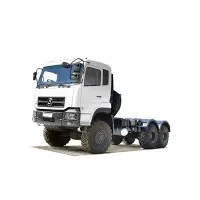

How to drive a refrigerated truck more fuel-efficiently
Nov 21, 2025
Why does fuel consumption increase in refrigerated trucks?
1. If you notice a significant reduction in the refrigerated truck's coasting distance while driving, you should check the tire pressure. Insufficient tire pressure will increase fuel consumption. Therefore, inflate the tires as needed. Regularly check tire wear as well. Severely worn tires will frequently slip, increasing fuel consumption. Replace the tires if necessary.
2. If you notice any unusual noises from the wheels of your refrigerated truck while driving or starting it, you should promptly check the bearings and braking system for malfunctions. Abnormal wheel rotation will affect vehicle speed and increase fuel consumption.
3. Clutch slippage will cause a loss of engine RPM. If you notice the engine tachometer increasing rapidly during rapid acceleration, but the vehicle speed increasing slowly, this indicates clutch slippage. In this case, you should replace the clutch disc, pressure plate, and drive wheel promptly.
4. When your refrigerated truck has traveled 200,000 to 300,000 kilometers, insufficient cylinder pressure will often occur, resulting in a significant increase in fuel consumption. In this case, the engine will require a major overhaul.
5. When the exhaust pipe emits black smoke and fuel consumption increases, the carburetor needs to be checked, disassembled, and cleaned.
6. If spark plugs have been used for too long, increased fuel consumption can also occur. Damaged spark plugs reduce ignition energy, slowing vehicle acceleration and significantly increasing fuel consumption. The spark plugs should be replaced.
7. When the temperature control switch and thermostat of a refrigerated truck are damaged, fuel consumption will increase. This is because a damaged temperature control switch and thermostat will lower the water temperature, prevent the carburetor from working properly, resulting in poor fuel atomization and a significant increase in fuel consumption.
How to drive a refrigerated truck more fuel-efficiently
1. Adjust Tire Pressure
If tire pressure is lower than the recommended value, rolling resistance will increase significantly, and tire life will be drastically shortened. Therefore, each driver should check their tire pressure daily. The fleet should also provide each driver with a tire pressure gauge.
2. Reduce Air Resistance
Reducing air resistance is crucial for refrigerated trucks traveling at high speeds. When driving a refrigerated truck on the highway, keep the windows closed. At speeds exceeding 75 km/h, the fuel consumption of a refrigerated truck is 1.5 times that of a regular truck to overcome air resistance. Opening the windows will negatively increase fuel consumption. In such situations, using the air conditioning is actually more fuel-efficient than opening the windows. Furthermore, avoid installing unnecessary equipment that obstructs airflow around the vehicle. Install a cab fairing if possible, without affecting the outdoor unit of the refrigeration unit.
3. Maintain a steady speed. Drivers know that acceleration is when fuel consumption is highest. When driving a refrigerated truck, maintain a steady speed and minimize braking and acceleration to save fuel. If the driver floores the accelerator, fuel consumption can double. The most economical driving speed is 50 to 60 kilometers per hour.
4. Avoid idling. Even when the vehicle engine is idling, fuel is still consumed. If you encounter a long traffic light or are delayed for an extended period, please turn off the engine. Idling the engine for three minutes consumes the equivalent of driving one kilometer.
5. Do not overload. Do not carry extra items on the refrigerated truck, and do not put extra items on the roof. This will create resistance and reduce fuel mileage by 5%.
6. Reduce Tire Rolling Resistance
Reducing rolling resistance by decreasing the friction between the tires and the road surface can lower fuel consumption. While you can't directly control the quality of the road surface, you can choose your tires and decide how many to install on your refrigerated truck. General principles include using fewer tires, all-steel radial tires, tubeless tires, and tires with improved tread patterns constantly being introduced by manufacturers. This not only significantly reduces rolling resistance and fuel consumption but also reduces noise and extends tire life.
In addition, good and correct driving habits will make refrigerated trucks more fuel-efficient and have a longer service life. Drivers should keep the vehicle stable and reduce the number of braking and acceleration when driving refrigerated trucks. Only in this way can fuel be saved.