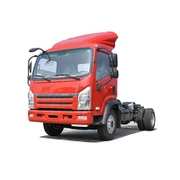

How to ensure driving safety when transporting dangerous goods in summer?
Jul 02, 2025
Most vehicle fires are caused by faults in the vehicle itself, such as aging of the lines, locking of the brakes, high temperature of the exhaust pipe, etc. However, a small number of fires are caused by items transported by the vehicle, such as flammable and explosive dangerous goods.
Dangerous goods mainly include: compressed (liquefied) gas, flammable liquid, flammable solid, oxidant and organic oxide poison, radioactive material, corrosive substances, etc. These goods that are easy to cause property damage and require special protection are all dangerous goods.
Among hazardous materials, flammable and explosive substances make up a significant portion. To prevent these dangerous goods from catching fire or exploding, it is essential to take preventive measures and eliminate potential safety hazards before an accident occurs.
Among them, unsafe factors include: open flames, friction and impact, short circuit combustion of electrical equipment, sparks caused by poor contact of switching equipment, and static discharge.
Open flames are usually caused by arc welding, lighter ignition, electrical short circuits, etc., so these behaviors must be prohibited around flammable and explosive dangerous goods. Friction and impact behaviors usually occur when dangerous goods are in motion.
For example: when loading and unloading goods or emergency braking during transportation, friction and impact will generate a large amount of heat in a short period of time. This heat is enough to ignite flammable gases, oxidizing substances, steam and dust, thereby causing an explosion. Therefore, when moving flammable and explosive items, they must be handled with care to avoid danger.
Aging electrical equipment can cause short circuits and burns, and poor switch contact can cause electric sparks, which are also important factors causing explosions of dangerous goods.
Therefore, timely inspection of the line and use of explosion-proof switches can effectively reduce the accident rate.
The last one is static discharge. In winter, silk or cotton items are more likely to generate static electricity due to friction. Therefore, there is an iron chain at the rear of the vehicle transporting flammable and explosive dangerous goods to release the static electricity on the surface of the vehicle.
After understanding these unsafe factors, we can divide fires into five categories according to the forms of flammable and explosive dangerous goods: gas fires, oil fires, combustible fires, metal fires and other fires.
1. Gas fires include coal gas, natural gas, liquefied petroleum gas, acetylene gas and other gas fires. The cause of gas fires is due to gas leakage and mixing with air. When encountering open flames or electric sparks, combustion will occur.
2. Oil fires include flammable and combustible liquids such as gasoline, diesel, crude oil, kerosene, alcohol, etc. Oil fires are usually caused by open flames.
3. Fires caused by solid combustibles such as wood, paper, fiber, textiles, painted objects, solid fuels, etc. are all combustible fires. When transporting combustible materials, in addition to avoiding contact with open flames, it is also necessary to prevent static electricity from generating sparks that may cause the combustible materials to burn.
4. Metal fires: Metal powders such as magnesium, aluminum, and chromium have flammable properties in the air. After mixing with air in a sealed space, when a certain concentration is reached and they encounter sparks, they are likely to catch fire.
5. Other fires.
Different types of fire have different ignition methods. Therefore, when truck drivers are transporting these flammable and explosive dangerous goods, if they can take targeted preventive measures for the transported items, it will definitely have a good fire prevention effect.
Now that we have learned about the fire ignition methods and fire types of dangerous goods, what should we pay attention to when transporting these dangerous goods in summer?
Before the vehicle departs, check whether the fire-fighting equipment is in place, whether the vehicle is in good condition, and confirm that the vehicle has no safety hazards. Do not place explosive items in the cab to prevent them from high-temperature explosion accidents under strong sunlight.
Dangerous goods must be protected from the sun and should not be driven for long periods of time under high temperatures. If necessary, heat insulation and cooling measures should be taken. Vehicles transporting dangerous goods must not exceed the speed limit.
When a vehicle is driving and needs to stop due to thunderstorms, it is necessary to avoid stopping under high-voltage power lines and large trees to prevent sparks from lightning strikes and dangerous accidents.