
How to deal with high summer truck engine temperatures?
Jun 06, 2024
Below are several emergency solutions for high engine temperatures. They can be used to cross reference if you are experiencing problems with high temperatures.
▎ No excessive leakage and loss of coolant
The cooling system cycles properly after overloading the engine with overheating. When the truck is running beyond the engine's tolerance range, the water temperature is close to the boiler temperature, and the cooling system operates normally even though the engine temperature is overheating.
At this time, the engine should be kept idling, and it is strictly prohibited to turn off the engine; pour cold water on the radiator surface to accelerate the cooling. When the temperature drops to about 50 degrees at idle, use a soaked thick towel to spin open the tank cover to cool down. Finally, be sure to check whether the oil scale is within the normal range.
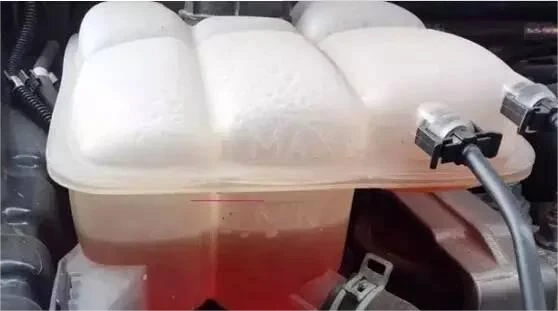
NOTE: People should avoid facing the tank lid to prevent scalding by spraying water.
▎ Engine water temperature is too high and the cooling system circulation is malfunctioning
There are many reasons for engine overheating and cooling system circulation failure, such as thermostat failure, malfunctioning cooling fan clutch, and damaged fan belt, which can cause the cooling system to malfunction.
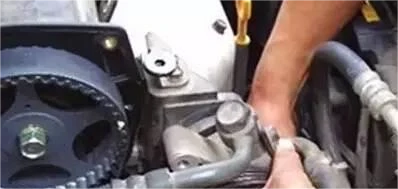
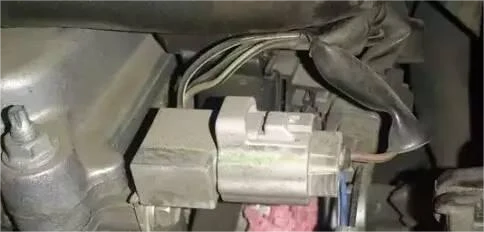
First, keep the engine running and do not turn it off. Pour cold water over the surface of the radiator to accelerate cooling. In such situations, the temperature of the circulating water typically drops only slightly. When the engine temperature is below 80 degrees, intermittently turn off the engine by pressing the stop switch or unplugging the electronic fuel injection system sensor. Use the starter motor to turn the engine over for 10-15 seconds per cycle to cool it down passively. Finally, check the oil dipstick to ensure the oil level is within the normal range.
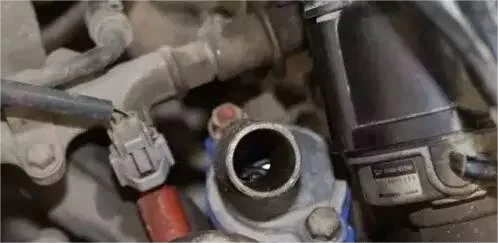
NOTE: Remember that it is strictly forbidden to unscrew the tank cap at any time until the engine has completely cooled down.
▎ Coolant leakage or complete dissipation occurs and the engine cooling system runs dry without water
Running an engine without cooling water can cause very serious accidents. At this time, the use of any cooling water to pour the radiator to cool down the way are basically ineffective, the engine running can not dissipate heat.
First, with the vehicle running, open the oil filler cap and quickly add lubricating oil. This is because, in a complete water shortage situation, the engine's lubricating oil will evaporate significantly due to high temperatures and must be replenished quickly.
Note: When the engine is in a "dry burning" state, never use the method of adding coolant to cool it down, as this can cause the engine block to crack and lead to other serious accidents.