
What is the battery thermal management system?
Jan 02, 2024
As one of the core components of the electric commercial vehicle's powertrain system, the main function of the traction battery pack is to provide energy for the electric truck's propulsion.
Temperature is a critical factor that affects the normal charging and discharging performance as well as the range of the traction battery pack. Extremely cold temperatures can significantly reduce the vehicle's range, while excessive heat can affect battery cooling and even lead to thermal runaway or combustion.
In order to keep battery packs performing well in a variety of ambient temperatures, many automakers are equipping them with thermal management systems. So what does a thermal management system do? What are the mainstream thermal management systems in trucks?
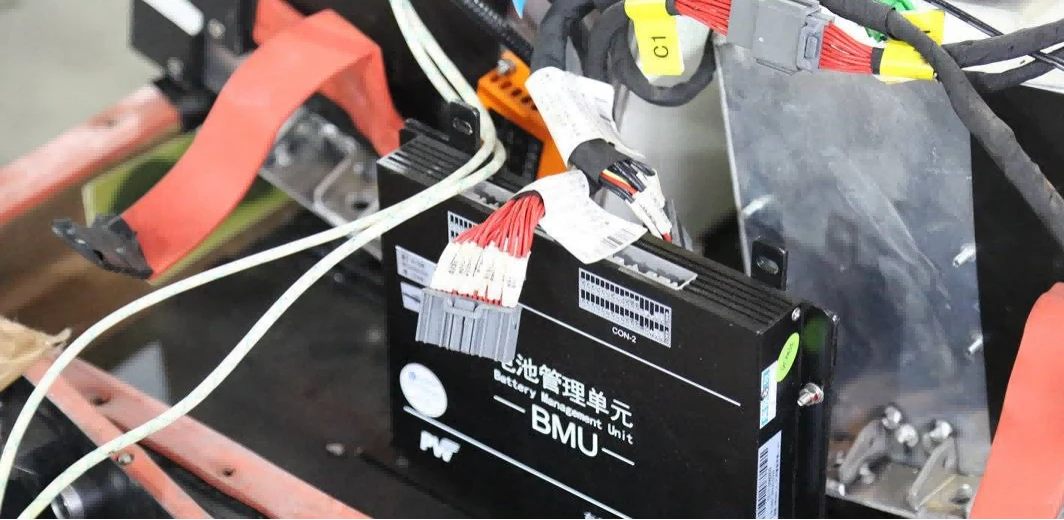
Undoubtedly, the temperature of the battery during use and the ambient temperature are extremely important for pure electric trucks, and some of the harsh environments, such as extreme heat or cold, may cause damage to the battery, which in turn reduces the performance and service life of the battery.
Although most pure electric trucks have eliminated the traditional large open grille design found in conventional fuel-powered vehicles and replaced it with a closed design, the electric trucks still generate heat from their powertrain systems during operation. Therefore, they still require a certain level of cooling.
If the battery becomes overheated during usage, it can have a negative impact on the battery's safety performance and overall lifespan. Additionally, when operating electric trucks in cold regions during winter, the battery's performance and efficiency can decrease. The most direct consequence is a significant reduction in the vehicle's range, and at extremely low temperatures, electric trucks may experience slow or even difficult charging.
Certainly, the electric motor also requires a cooling system to dissipate heat. Currently, many pure electric trucks are equipped with permanent magnet synchronous motors, which still require a cooling system for heat dissipation under heavy loads, such as climbing slopes. If the motor operates at high temperatures for an extended period, it can lead to demagnetization of the motor's permanent magnets, causing irreversible damage.
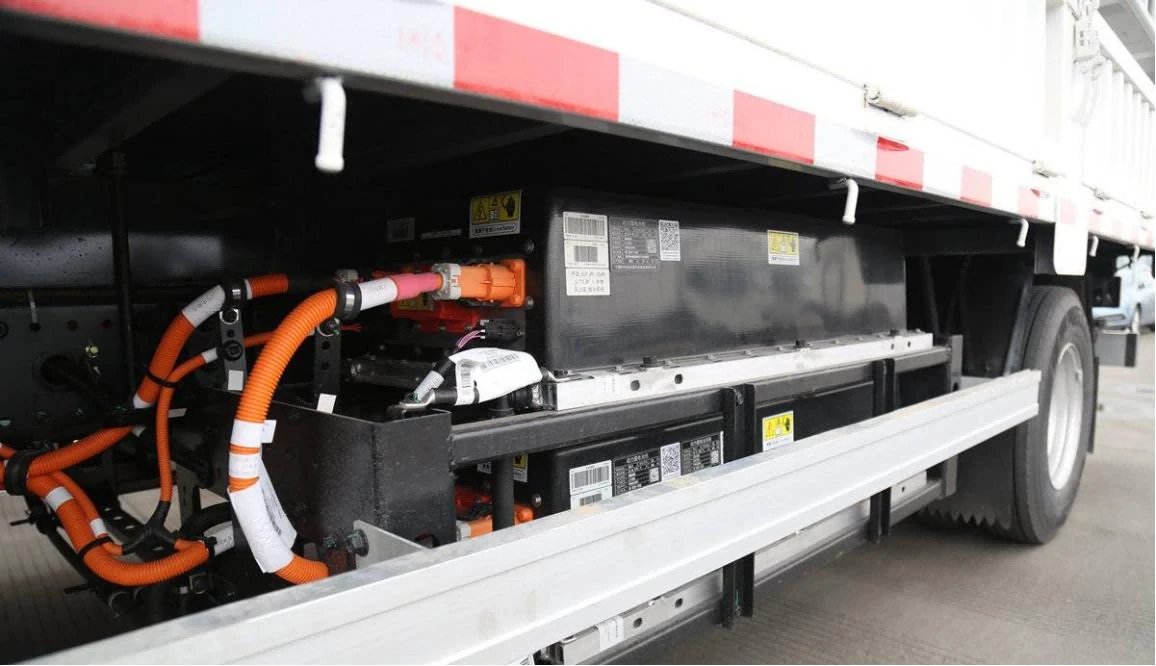
The application of battery thermal management systems is one of the key technologies to ensure the normal operation of traction batteries under different temperatures and conditions in electric vehicles. It allows for the maximization of battery energy utilization to assist in driving. The main purpose of these systems is to maintain the battery temperature within an appropriate range, enabling the battery pack to achieve optimal performance.
For instance, the thermal management system can adjust the battery's internal temperature based on different environmental temperatures, thereby reducing the impact of external temperature on battery performance. Additionally, the thermal management system can prevent the formation of localized hotspots and minimize temperature variations within the battery pack, mitigating the detrimental effects caused by localized overheating.
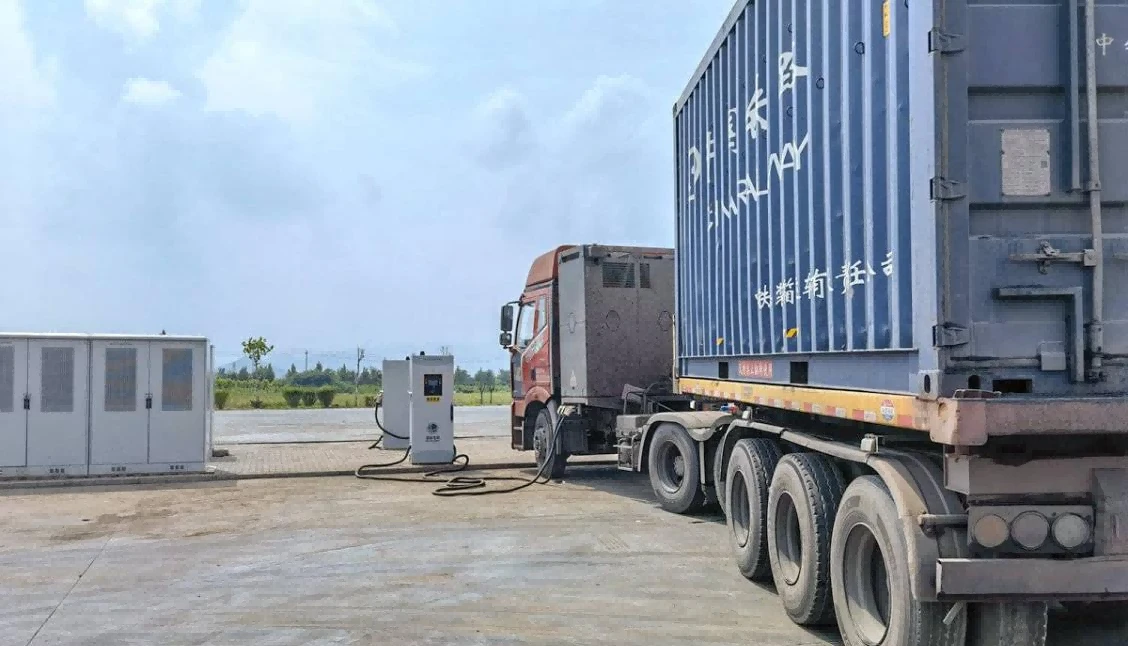
In the current commercial vehicle market, the mainstream battery thermal management solutions can be broadly categorized into two types: air cooling and liquid cooling. Air cooling is predominantly used in small electric vans and light-duty trucks, while liquid cooling is more commonly applied in heavy-duty electric trucks and electric tractor-trailers that require higher power output.
Air cooling, utilizes natural airflow to dissipate heat from the battery. There is also an upgraded version of air cooling, where heat-conductive materials are added to the electrodes at both ends of the battery cells. This allows the heat to be transferred through the conductive materials to the metal casing for more efficient heat dissipation. This upgraded air cooling system offers improved overall heat dissipation efficiency.
The advantages of air cooling mainly lie in its simple structure, low cost, and the absence of potential liquid leakage, which enhances overall reliability. Overall, for small electric vans and electric light-duty trucks that prioritize price advantages, air cooling thermal management is clearly a more suitable choice.
While air cooling technology, which relies on air as the medium, offers some cost advantages, it also has noticeable drawbacks. Its cooling efficiency is relatively low, and the overall cooling effect is moderate since it relies solely on external airflow for heat dissipation. The cooling effectiveness is limited, particularly during high-power discharges. Additionally, air cooling is directly influenced by external temperatures, especially in extremely hot or cold weather conditions, which can affect the battery's heat dissipation and transfer efficiency to some extent.
Compared to electric trucks with air cooling for battery thermal management, liquid cooling offers more effective heat dissipation and insulation. The principle of liquid cooling involves circulating a coolant within the cooling fluid circuit inside the battery pack to remove the heat generated during battery operation, thus providing efficient heat dissipation for the battery.
In simple terms, liquid cooling involves the arrangement of multiple pipelines within the battery pack. When cooling is required, a coolant is pumped into these pipelines, and the heat generated by the battery is carried away through a water circulation system, achieving the cooling effect.
In addition to more efficient heat dissipation for the battery pack, some liquid cooling thermal management systems also incorporate battery heating capabilities. This allows the battery to quickly reach its optimal operating temperature even in cold environments. Clearly, liquid cooling offers higher and more robust heat dissipation efficiency compared to air cooling. Even under heavy loads or high-power outputs, when the battery power load is excessive, the liquid cooling water circulation system can promptly cool down the battery pack. Additionally, liquid cooling provides more uniform heat dissipation, reduces temperature differences between battery cells, and effectively enhances battery pack stability and lifespan.

Liquid cooling thermal management solutions can more efficiently control the battery temperature within a reasonable range, thereby further improving the working efficiency, stability, and durability of the battery pack. However, in terms of purchasing costs, electric trucks equipped with liquid cooling are noticeably more expensive than those with air cooling. The overall design is also more complex. If your operating environment has suitable temperatures and you have good driving habits, using air cooling is completely sufficient.

Many manufacturers now equip the battery packs of both small electric vans and electric light-duty trucks with heating functions. The principle behind this is to provide auxiliary heating to the battery using electric heating elements, ensuring that the battery is warmed up and preventing it from operating at excessively low temperatures. This helps improve the battery's efficiency. The battery heating function enables the battery to operate more efficiently, thereby increasing the driving range and reducing the occurrence of excessive performance degradation in the battery.

Liquid-cooling lines reserved but not piped in ▲
For new energy trucks, an efficient battery thermal management system is extremely important and has a great impact on the driving experience.