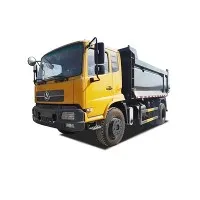

Vehicle braking knowledge in winter
Nov 28, 2023
Keeping the ABS/ASR system normally on
ABS (Antilock Braking System) and ASR (Acceleration Slip Regulation) are two different systems used in vehicles.
ABS is an anti-lock braking system that prevents the wheels from locking up during braking. It allows trucks to achieve maximum braking force while maintaining control of the vehicle's direction, especially during emergency braking situations.
ASR, on the other hand, is an acceleration slip regulation system, also known as traction control. It automatically applies brakes to the slipping wheels (in the case of one-wheel slip) or reduces output power (in the case of both drive wheels slipping) during vehicle acceleration. This system helps prevent wheel slip and ensures that trucks maintain the necessary driving force.
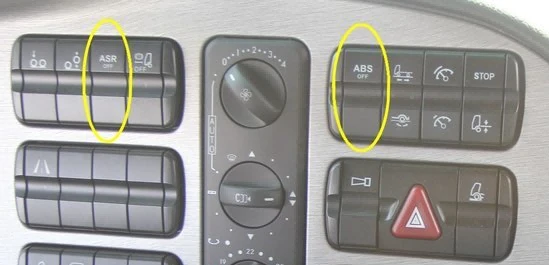
Under normal circumstances, both ABS and ASR should be kept enabled. However, special situations require special treatment.
When a truck needs to perform an emergency brake on a soft road surface, disabling ABS and allowing the wheels to lock up and sink into the mud can provide greater braking force compared to keeping the wheels rolling on the mud.
When starting on a relatively muddy road surface where the soil has adhesive properties, the drive wheels may experience some slip but still provide driving force. In such cases, if ASR intervenes, it may actually weaken the driving force. In this situation, it is advisable to engage the differential lock and disable ASR.
Water Spraying Device
In the absence of auxiliary braking devices such as a retarder or engine brake, trucks can only rely on the brake system when going downhill. However, it is well known that frequent use of the brakes will cause them to overheat and experience thermal decay, leading to brake failure and accidents. Therefore, a widely recognized effective method is to install a water spraying device for the brake system, and turn it on when entering a downhill section to cool down the brakes.
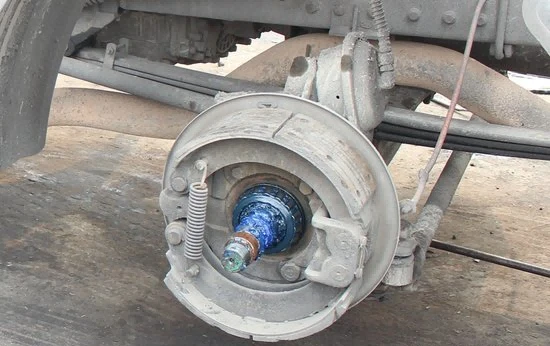
However, there are several significant drawbacks associated with the use of a water spraying device that cannot be overlooked.
Firstly, prolonged use of the water spraying system can cause rusting in some of the brake system's components, leading to restricted movement or even failure of the components. This can result in brake malfunction, such as the brakes being unable to release or the return springs failing.
Furthermore, a more critical issue is that during winter, the water pipes of the water spraying device may freeze and fail to cool the brakes. Alternatively, if the cooling water spills onto the road and freezes, it can pose a safety hazard to other vehicles.
Use auxiliary brakes
Auxiliary braking devices such as exhaust brake, engine brake, and hydraulic retarder, also known as frictionless driving brakes, can be used continuously for a long time on long downhill sections without experiencing brake system heat decay, greatly improving driving safety.
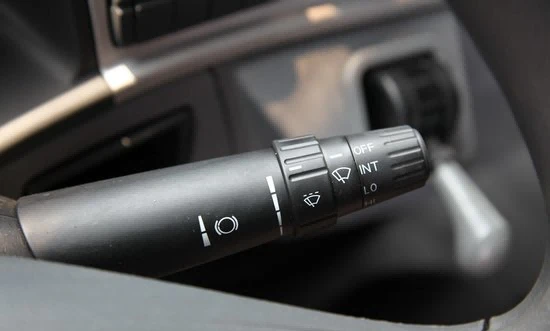
Reduce the use of trailer brakes
Reduce the use of trailer brakes because they are also a type of parking brake (handbrake). They cannot control the braking force like the driving brake (foot brake). Directly using trailer brakes may cause the trailer to lock up, resulting in fishtailing and loss of vehicle control. Therefore, the driving brake should be used first.
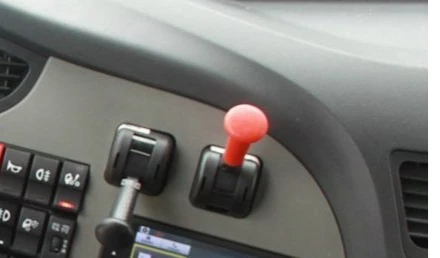
Keep calm
When a vehicle experiences skidding due to icy road conditions, most drivers will try to correct the direction by sharply turning the steering wheel. However, this actually makes the situation more dangerous.
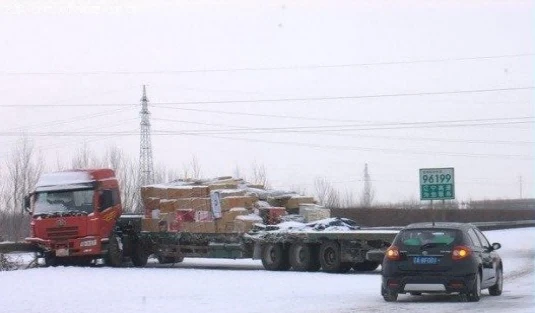
The correct method is to try to stabilize the steering wheel and make the truck stop or stabilize itself as much as possible.
In the case of icy roads, the braking system often fails to stop the truck in time. In such situations, the driver can try to let the truck scrape against guardrails, mountains, or other objects to provide additional resistance and help reduce the speed faster. After all, a car can be repaired, but once a person is gone, it may be irreversible.